
Get the Buzz... 2025 Steam Job of the Year
Multiple Complexities, One Coordinated Effort
Some projects test technical skill. Others test coordination. Our Steam Nuclear Outage at Plant Vogtle in February 2025 tested both—at scale.
With multiple complex scopes executing in parallel and 125 craft professionals working across millwright, labor, pipefitter, and operator roles, success depended on alignment, discipline, and trust. What emerged was a unified team delivering exceptional results the right way.
“Different crafts. One team. One standard.” – commented Mike Kehl, Operations Division Leader
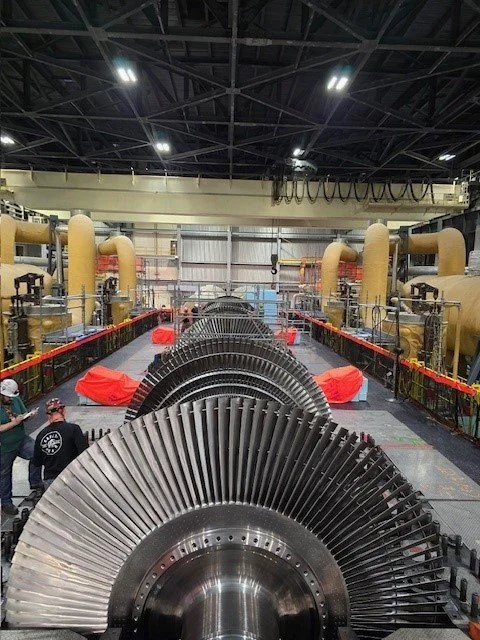
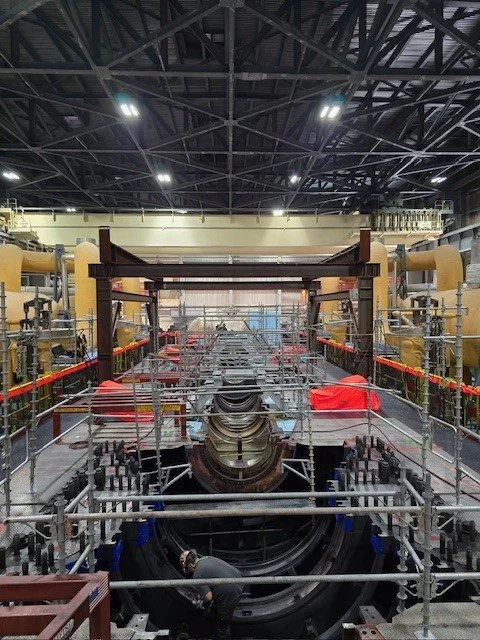
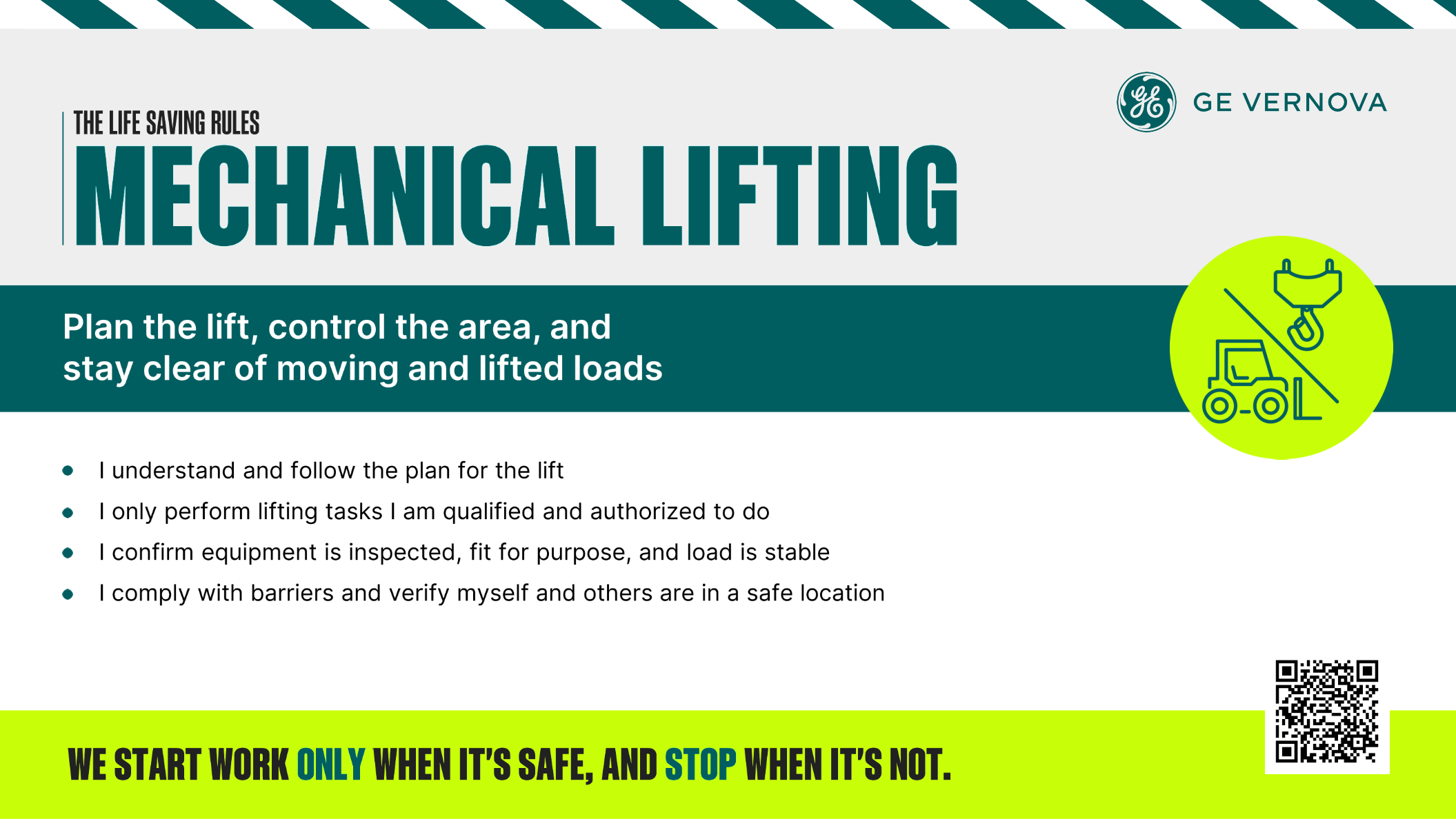
This outage brought together a wide range of steam turbine work under a single execution plan. Crews supported turbine disassembly and reassembly, bearing work, valve inspections and repairs, precision alignment activities, and auxiliary system support. Mechanical lifting played a significant role, with critical lifts involving rotors, casings, valves, and heavy components requiring detailed planning and strict adherence to controls.
Each craft had a distinct role, but the work was interdependent. Progress in one area directly affected another. Success depended on timing, sequencing, and constant communication between crews. What could have become fragmented instead became synchronized.
Integrated Complexity
Multiple demanding scopes were executed simultaneously. Heavy mechanical evolutions, precision alignment requirements, valve work, and support systems all had to move in concert. With dozens of experts representing different crafts and responsibilities, coordination became just as critical as technical execution.
Early in the outage, leadership established a clear rhythm: detailed pre-job briefs, strong daily plans, visible field leadership, and open communication between crafts. When plans needed to shift, they shifted together. When sequencing had to be adjusted, it was discussed and aligned before moving forward. That shared structure prevented silos and kept momentum steady.
Safety in Action
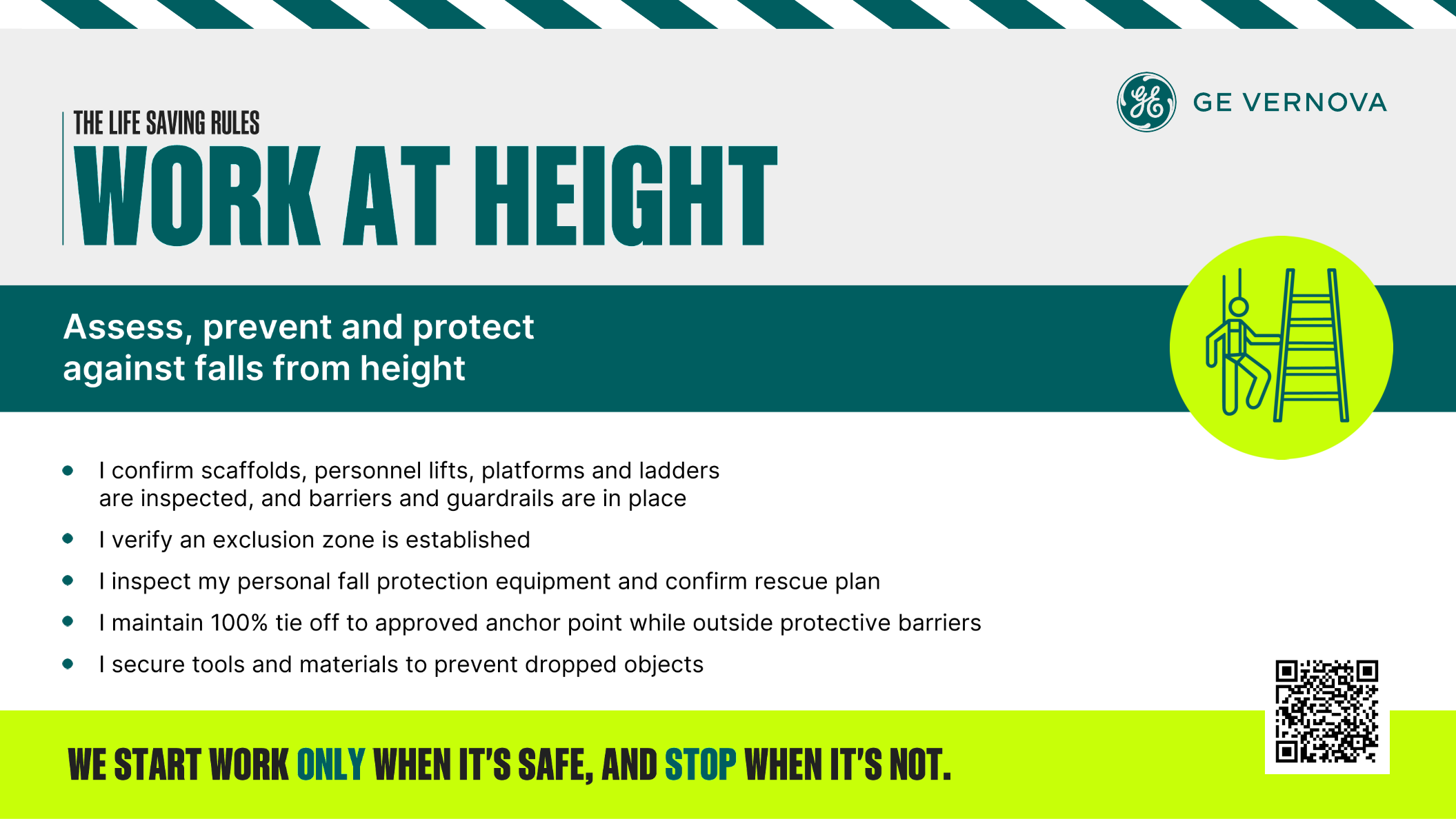
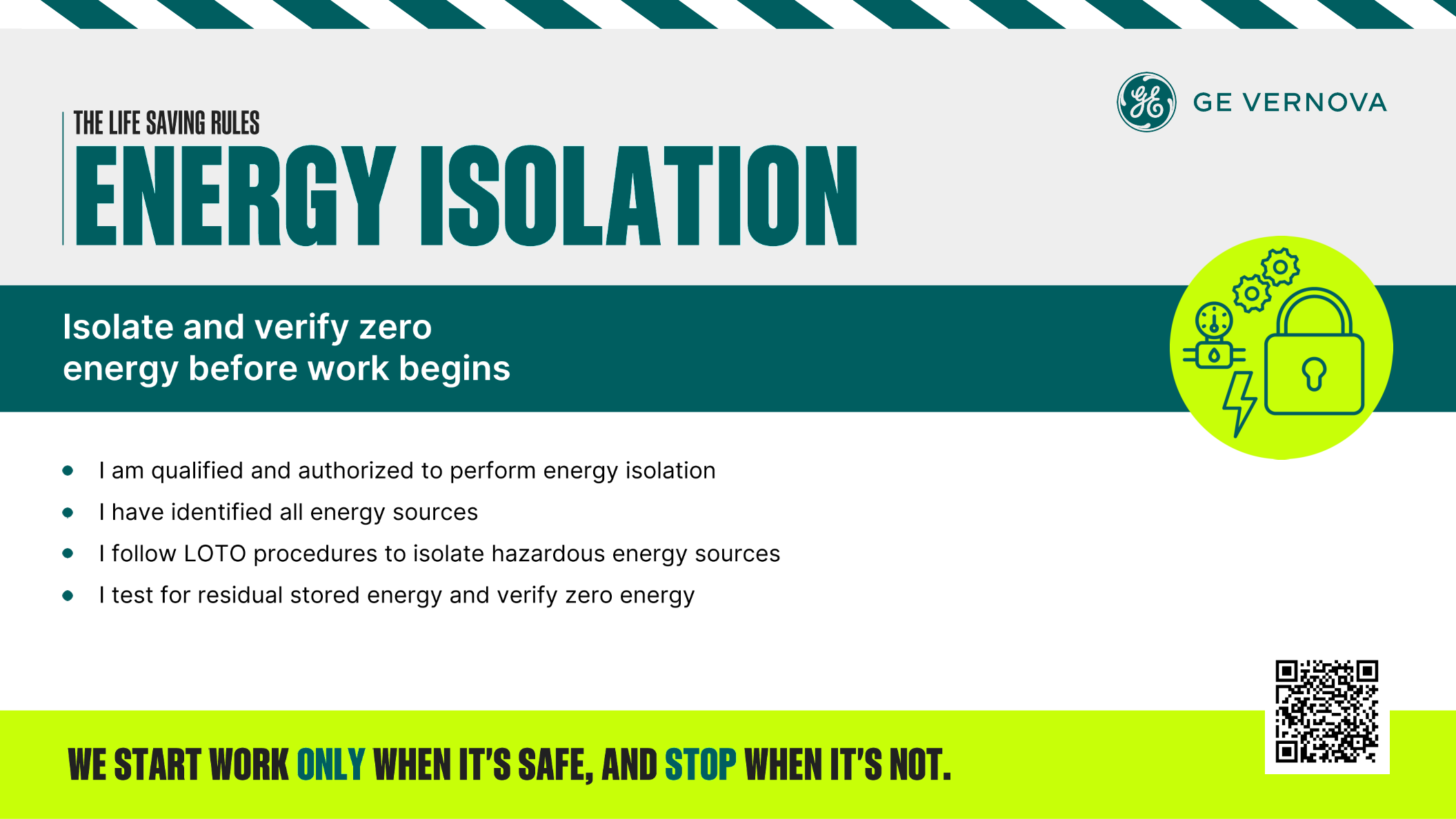
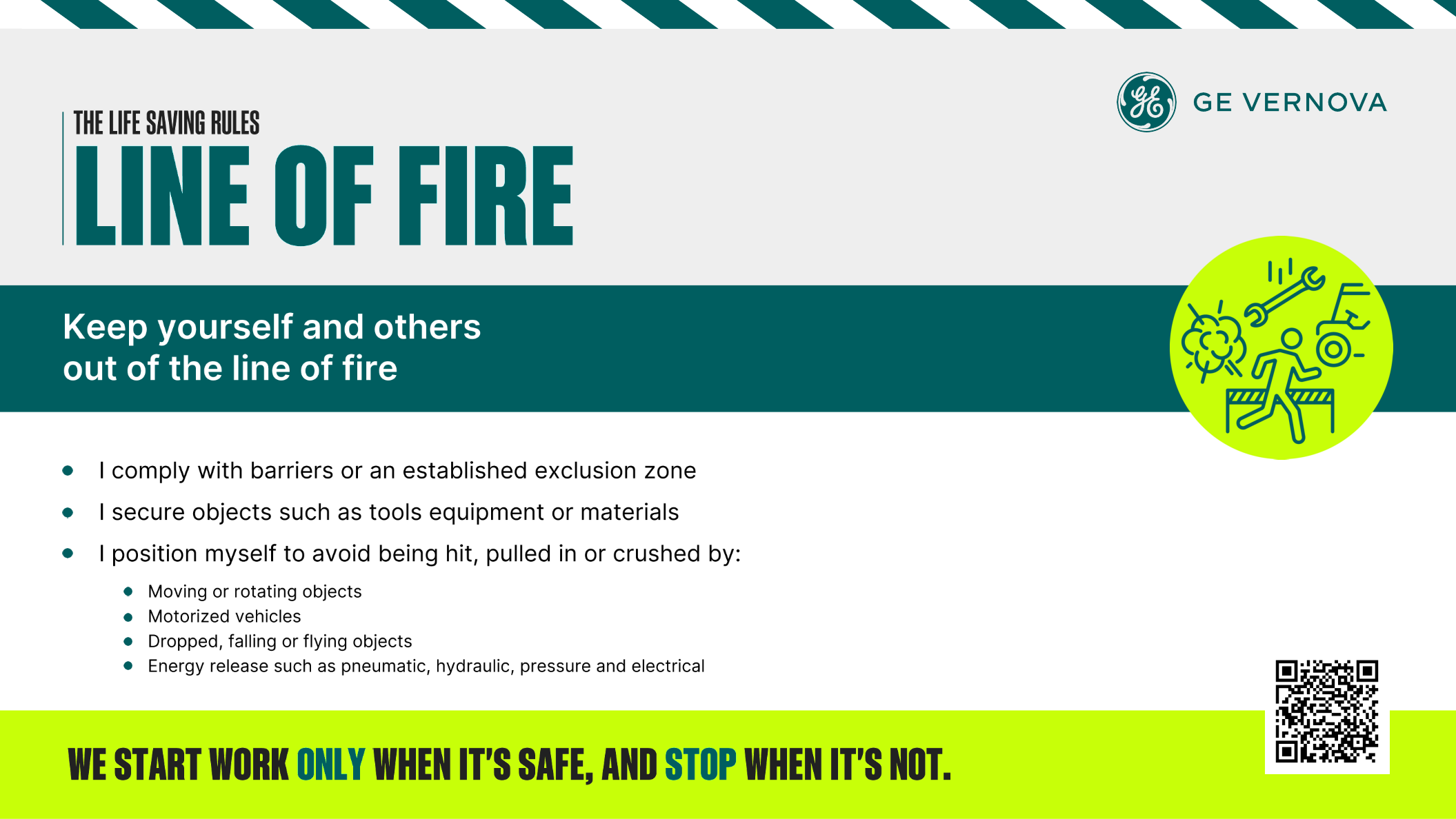
Safety was never treated as a checklist—it was woven into how work was planned and performed every day. Life Saving Rules, such as mechanical lifting, energy isolation, work at heights, and line of fire were fully utilized by the crews.
Team members consistently paused, adjusted, and changed course when conditions required it. STOP was used when uncertainty appeared. Questions were encouraged. Craft professionals felt empowered to speak up, and leaders reinforced conservative decision-making.
With over 55,000 hours, the team delivered zero OSHA recordables and zero COPQ—not by chance, but by culture.
Quality Under Pressure
Steam work leaves little room for error. Bearings, alignments, and mechanical fits demand precision.
Through detailed pre-job briefs, consistent use of SWAT cards, and strong oversight from supervision and subject matter experts, the team ensured standards were protected. Measurements were verified. Tolerances were respected. Work was completed right the first time. The pace remained steady because the foundation was solid.
Delivery & Execution
The routines that made the biggest difference were simple but consistent:
Clear sequencing across crafts
Visible superintendent presence
Strong communication between work fronts
Reinforcement of Life Saving Rules
Field-level accountability
This structure created predictability in an otherwise complex environment.
Leadership Moments & Team Resilience
Leadership was always visible and steady.
Superintendents, Greg Gibbs, Kevin Gray, Michael Stegall, Stephen Kotter, Chris Pace, Joey Thigpen, and Scott Richardson, along with numerous supporting foremen maintained a calm environment on site. They led with transparent communication and coached employees through observation and engagement. They removed barriers quickly and ensured information flowed across all crafts. Just as importantly, craft professionals stepped into leadership roles—coaching, mentoring, and reinforcing expectations peer-to-peer.
This wasn’t leadership from one level. It was leadership throughout the organization.
With millwrights, laborers, pipefitters, and operators working side by side, this job could have easily fractured into silos. Instead, it became a model of integration. Knowledge was shared. Communication was proactive. Everyone understood how their piece fit into the larger system.
Pride & Legacy
When this team looks back on this job, we believe they’ll be most proud of how 125 individuals worked as one team.
They navigated multiple complex scopes simultaneously, maintained safety and quality standards, and delivered with:
Zero injuries
Zero COPQ
Strong cross-craft coordination
High-quality execution
They proved that disciplined integration—not just technical skill—drives outstanding outcomes.
Why It Matters Going Forward
This job sets a standard for how complex steam scopes can be executed at scale. It reinforces that success in steam work depends not only on mechanical precision, but on human coordination. When structure, communication, and leadership are aligned, complexity becomes manageable—and excellence becomes repeatable.
That’s why Plant Vogtle is APM’s Steam Job of the Year for 2025. We extend a major congrats and THANK YOU to every person involved in this excellent success!